Birth year recorded
The John Robinson note records 1939 as his birth year, though the same research also gives his age as twenty-three in 1961. This should be checked against original civil records before being treated as exact.
Crew biography · Lost at sea · Deck hand
John Lancelot Robinson, known as Johnny, was twenty-three when the Arctic Viking capsized. He was one of the five men lost, and family memory now records him as both a close friend and an Army buddy of David Cressey.
Life and connection
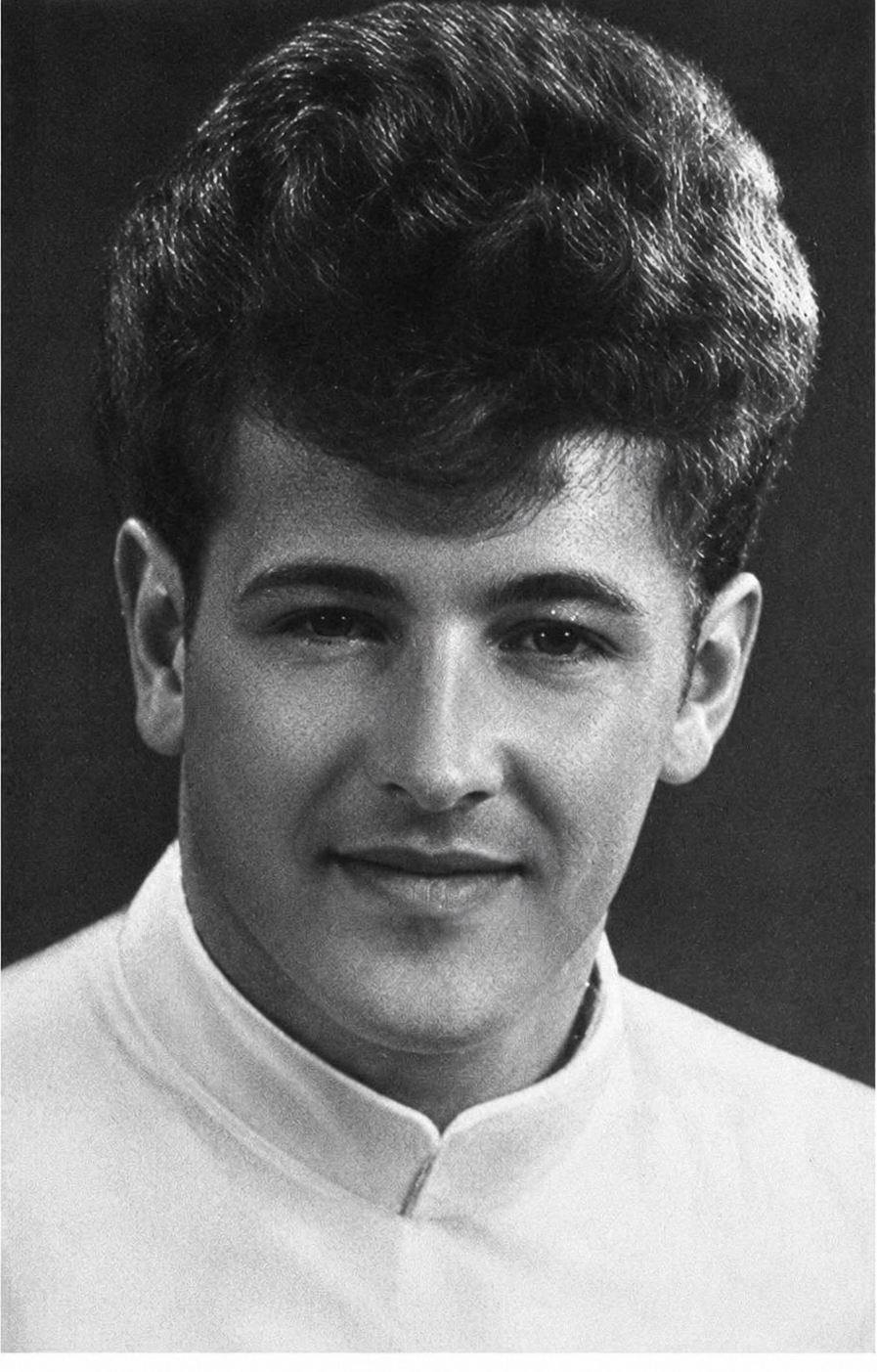
The Arctic Viking Obsidian research vault records him as John Lancelot Robinson, also known as Johnny Robinson. His address is given as 22 Foston Grove, Preston Road, Hull, and his age at the time of the disaster as twenty-three.
The records vary slightly in how they describe his work aboard, listing him as a deck hand in the crew lists while some newspaper and inquiry summaries refer to him as a fireman. This page keeps both descriptions visible rather than smoothing away the difference.
For the Cressey family, Johnny is not only another name among the lost men. He was remembered as a close friend of David Cressey, and the family has now confirmed that he had also been one of David's Army buddies. That connection makes David's later silence and grief more understandable, without turning grief into blame.
Back to crew"Kick off your boots and come with me. She is going."Raymond Dodsworth's reported warning to Johnny Robinson during the capsize
18 October 1961
John Robinson's final moments are known mainly through the evidence and newspaper reports of Raymond Dodsworth, one of the last crewmen to see him alive. Dodsworth had been in the bathroom when the ship lurched, the porthole burst open and water poured in. He forced his way out as the vessel was going over.
On deck, Dodsworth saw Johnny Robinson and urged him to kick off his sea boots and follow because the ship was going. In the inquiry reporting, Dodsworth was asked whether he had described Robinson as frozen with terror. He answered that he had seen the fright in his face.
Dodsworth then went amidships. When he turned back, Robinson was no longer there. Other notes place Robinson among the men forward or under the whaleback who were trying to escape as the ship capsized. The surviving record does not give a complete picture, only fragments from a terrifying few minutes.
Those fragments should be handled gently. Johnny's fear was not weakness; it was a human response to a ship suddenly overturning in heavy seas. The same testimony that records his fear also records the impossible speed of the disaster.
David and Johnny
David Cressey's own story of the Arctic Viking is marked by silence. He survived from the bridge and gave clear evidence to the inquiry, but in family life he rarely spoke in detail about what happened. When he did speak late in life, Johnny Robinson's name was part of the hurt that surfaced.
The new family detail that Johnny had been David's Army buddy gives that silence another layer. These were not simply two men signed on to the same trawler. They had known one another before the final voyage, through service as well as through the fishing world.
This page does not suggest David could have saved him. The official inquiry did not place blame on David Cressey. The importance of the friendship is emotional and historical: it explains why John Robinson remained so present in family memory, and why the loss of the Arctic Viking cannot be reduced to numbers alone.
Record trail
The John Robinson note records 1939 as his birth year, though the same research also gives his age as twenty-three in 1961. This should be checked against original civil records before being treated as exact.
Family information records Johnny as one of David Cressey's Army buddies before the Arctic Viking disaster.
The crew lists place him aboard the final voyage, with his role recorded as deck hand and other reports describing him as a fireman.
John Robinson was one of the five men lost when Arctic Viking capsized and sank off Flamborough Head.
Newspaper accounts of the Ministry of Transport inquiry recorded Raymond Dodsworth's last sighting of Robinson during the capsize.
Sources used include the Arctic Viking Obsidian research vault note for John Robinson, the combined and MOC crew lists, newspaper reports headed "Terror Froze Lost Fisherman", "Hung on to Wheel like grim death" and "Trawlerman frozen with terror", the crew-location note, and family information confirming the Army-buddy connection with David Cressey.